
Viva’s Quality Improvement System: Better Care for Children
Viva, in partnership with six networks in Kenya (Together for Children - TFC), South Africa (Connect), Tanzania (Mwanza Children Action Network - MCAN), Uganda (Children at Risk Action Network - CRANE), Zambia (Samalani Children at Risk Network - SCAR) and Zimbabwe (Viva Network Zimbabwe - VNZ), are using the Quality Improvement System (QIS) capacity building tool to strengthen 158 member churches, schools and organisations to promote best practice and quality care for children. Because of this 2-year-funded programme, leaders are being equipped with the skills and knowledge to ensure their work with over 150,000 children is sustainable, and of high quality - and that children in their care are safer, and receive justice:
“I am grateful for the QIS Child safeguarding training that I attended, where we were taught the specific types of evidence required to prove sexually related violence. Upon my return, I briefed my colleagues, and together we began raising awareness among our school stakeholders regarding the types of violence and, crucially, how to preserve the evidence. Not even a week later, we were put to the test: A child was abused by a neighbour. Because we knew exactly what to tell the parents about preserving evidence, the suspect was apprehended. The case is now in court, and for the first time, we feel certain that the victim will finally get justice.” - Leader of a school which is a member of Mwanza Children Action Network (MCAN), Tanzania.
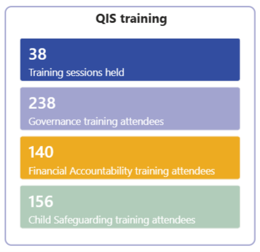
The number of people trained in each of the three modules.
The focus for the first year, 2025, included the following:
Viva equipping QIS teams in partner networks to use the QIS tool through a structured project for the first time.
Viva and the partner networks engaging in a shared learning space and developing a QIS community of practice.
Partner networks implementing three-module training workshops, baseline assessments and follow-up mentoring.
Viva providing coaching support to partner networks’ QIS teams.
Three modules have been completed so far, with hundreds of leaders now equipped to train others in their organisations, schools or churches.
Laying the Ground
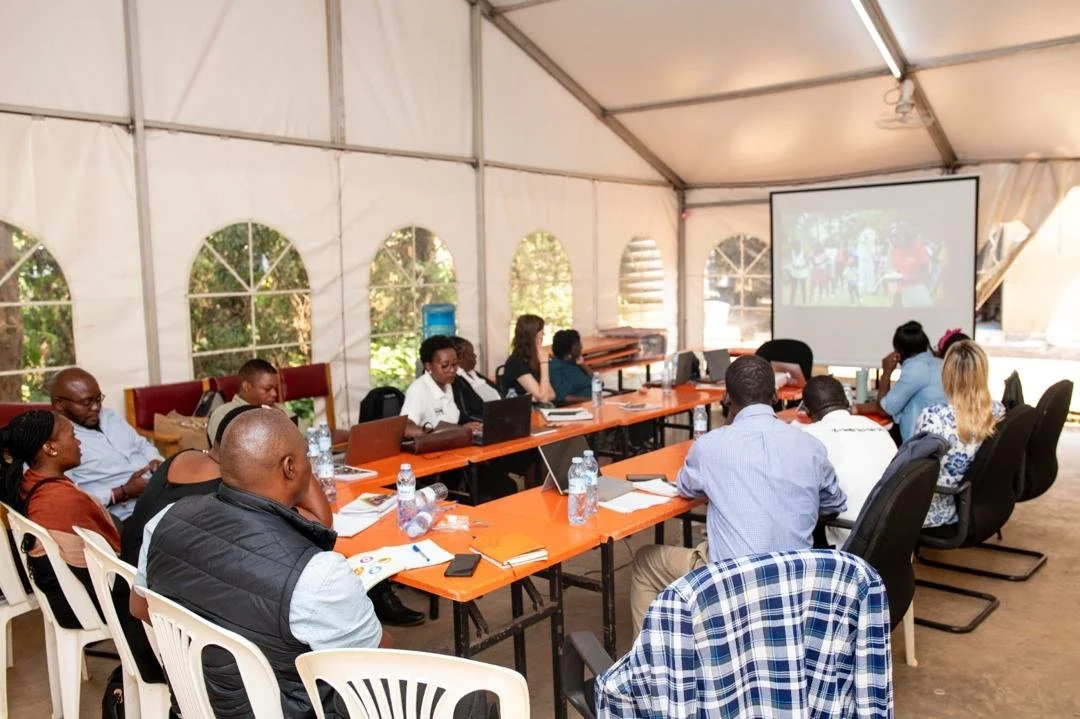
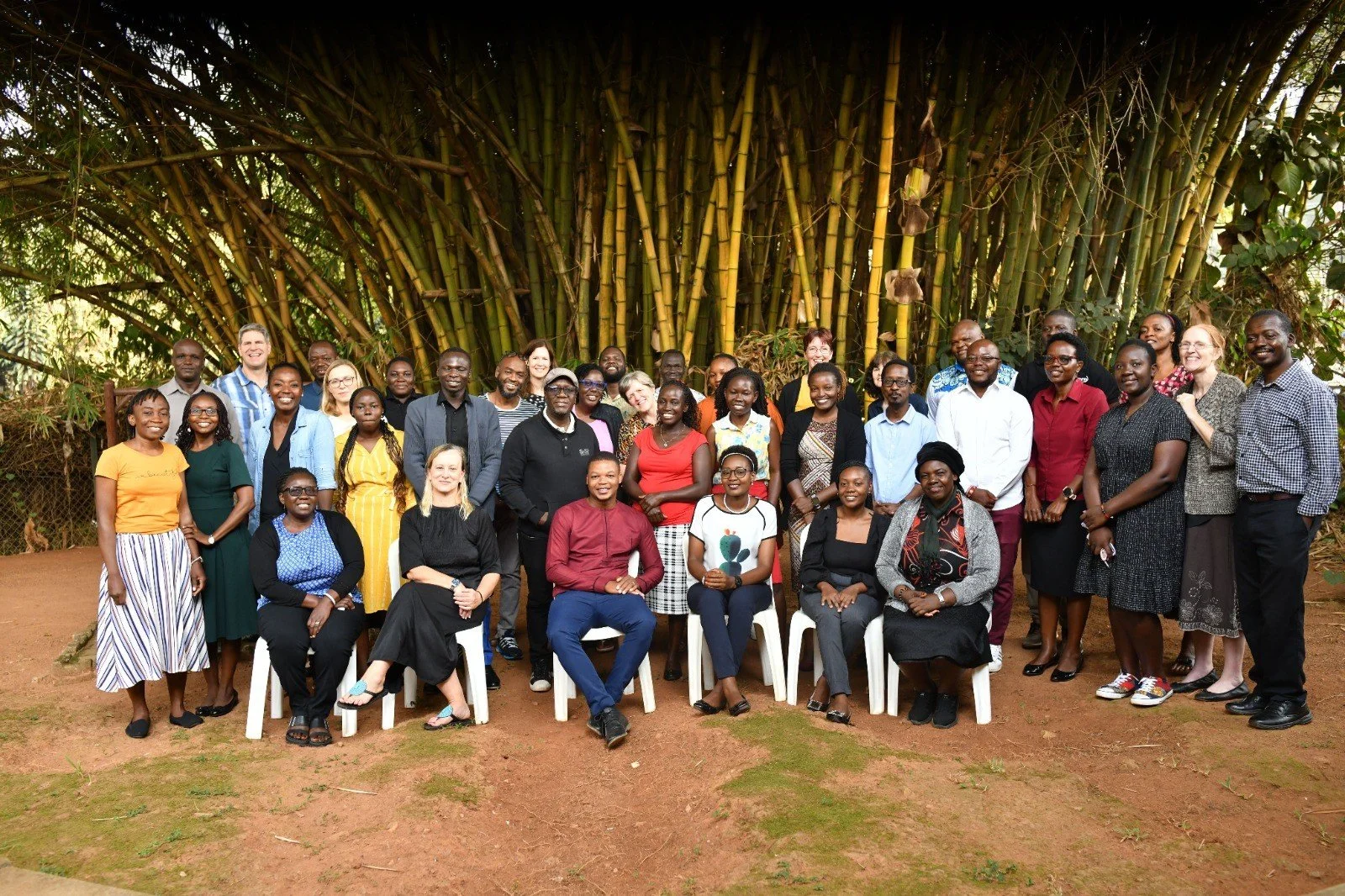
Before any work was done, a QIS launch meeting was held in Kampala, Uganda, in January 2025, attended by the Viva team and leaders of the six African partner networks. It was an excellent opportunity to share the project vision, make plans and build relationships that would carry the team through subsequent online interactions over the rest of the year. “I am very glad to get this opportunity to be here because it gives me a chance to share my experience and learn from other people from different countries and networks.” – Priscilla, MCAN, Tanzania.
Supporting the Coordinators
A core element of the Quality Improvement System is its communal nature, as the programme is designed to be done in a network setting. It is a cascading programme; a QIS Coordinator from a network is equipped with the knowledge and resources relevant to each module and then trains the leaders of the network’s member churches and organisations. As such, Viva has not only provided training notes, monitoring tools and guidelines, but has also coordinated ongoing training and support for QIS Facilitators through regular meetings, initially held once a week and later twice a month. Various topics relevant to the people delivering the training are covered, and a space is created for asking questions. “Everything went well, and all participants made the training sessions a pleasure to attend. The platform has moulded us into better facilitators of… (QIS). Adequate training materials were provided to support our facilitation work. The sessions helped us contextualise the training material to suit our local contexts. Relationships with other partner networks were strengthened through the platform.” – QIS Facilitator, Viva Network Zimbabwe.
Supporting the Implementors
Another key element of QIS is mentoring. Again, because QIS is conducted in a network setting, the programme has the potential for helping leaders of the various churches, schools and organisations learn from each other, as well as from the QIS Coordinator. This is carried out in a structured mentoring environment to provide intentional opportunities for leaders working with children to interact and engage. In the programme so far:
Five networks have conducted 265 mentoring visits covering Governance, Financial Accountability and Child Safeguarding, as well as 222 phone or virtual mentoring interactions.
Eight in-person peer group mentoring meetings were conducted by three networks.
One network provided online mentoring and support for 10 organisations working through 5 modules on the QIS online system.
A Viva Coordinator for QIS noted that finding time for mentoring was challenging, but that networks also saw the benefits. As such, “One network has creatively decided to mentor churches on a Sunday in 2026, so that they can engage with leaders and pastors. Group peer mentoring was very popular as it gave participants the opportunity to learn from the experience of those working in similar situations. It also increases the sense of community, which is motivating and supportive in a challenging work environment.”
Supporting Real Change
There is substantial evidence of the adoption of better practices in governance, financial management, and safeguarding among the participating members of the networks. This ultimately means that children are receiving learning, guidance and input from churches, schools, and organisations that are more accountable, embed stronger principles of stewardship, and are better able to keep children safe.
After the governance training, one church leader from Zimbabwe, Pastor Maushe, said, “Before the training, we were passionate about our mission, but we needed stronger systems to support our work. The QIS programme showed us exactly where to start. Having a Management Committee in place has been a game-changer. It means we no longer have gaps between our plans and what happens on the ground.”
Dembile from Awana, a SCAR member in Zambia, found that the financial management training “has really opened my mind … because one of the things that was highlighted during that meeting was the fact that we are stewards - and we are accountable to God and man.”
After the Safeguarding training, a QIS Facilitator from CRANE in Uganda noted that,“{G…} Primary School shifted from a purely punitive approach to one that seeks to understand the root causes of children’s behaviour. Teachers now investigate underlying issues before acting. For instance, two students who frequently arrived late were not simply punished; further inquiry revealed neglect at home. By engaging with the children’s father, the school was able to improve both attendance and overall wellbeing. Staff noted that the module has helped us first understand the root cause of behaviour before taking disciplinary measures.”
Better Care for Children
As these 158 churches, schools and organisations are trained, the potential impact on children is enormous, not least because child participation is a core element. For example, promoting safeguarding through a Girls’ Camp was one of the most notable achievements by one church in VNZ, Zimbabwe. “The three-day camp, held from Friday to Sunday, brought together girls from different Assemblies of God churches. The camp provided a safe and empowering space for girls to learn, share, and grow together. A unique highlight of the camp was that the girls organised the camp themselves, including preparing and cooking their own meals, which built their confidence, leadership, and life skills.” - Network leader, VNZ Zimbabwe.
Viva is delighted to see our QIS programme being so effective in helping these African networks equip child practitioners to bring a bigger, better and longer-lasting impact on children - and we can’t wait to see what happens in the second year of this programme, and, in time, roll out QIS to other partner networks around the world.