
Viva Network Zimbabwe (VNZ) is a locally led network based in Harare, dedicated to improving the lives of vulnerable children and families across Zimbabwe. Established in 1999, the network brings together churches, community-based organisations, schools, and government partners to create safer and more supportive environments for children. Its vision is ambitious, but crystal clear: to see all children living in safe and loving homes and communities. Widdlack Nyahwedegwe, the director of Viva Network Zimbabwe, explains that children are supported through various projects to “act as agents of change – ambassadors of the gospel of child protection and God’s heart for children.”
Over the years, VNZ has grown into a significant force for child wellbeing, reaching tens of thousands of children annually. In 2025 alone, the network directly and indirectly reached over 65,000 children, 3,500 families, and more than 150,000 wider community members. This impact is made possible through a collaborative approach, which harnesses the strengths of its 160 churches and 43 partner organisations. Viva Network Zimbabwe is one of six networks in Africa supported by Viva, with a coach based in Kampala, Uganda, while also being supported by Viva Denmark.
Child Safeguarding at the Centre
Child safeguarding is a central part of VNZ’s work. The network places a strong emphasis on equipping communities to effectively prevent, identify, and respond to child protection issues. As such, through initiatives such as Viva’s Child Friendly Churches programme, VNZ supports churches in strengthening their safeguarding systems and establishing structures such as Child Protection Committees and Family Support Groups. These initiatives create safe spaces for children while ensuring that adults are trained and accountable. According to Widdlack, the network’s leader, VNZ invests heavily in “awareness raising, identification of social protection cases, [and] follow-up of the same cases.” This structured approach ensures that safeguarding is not simply theoretical but embedded in everyday community practice.
Emphasising the Voices of Children
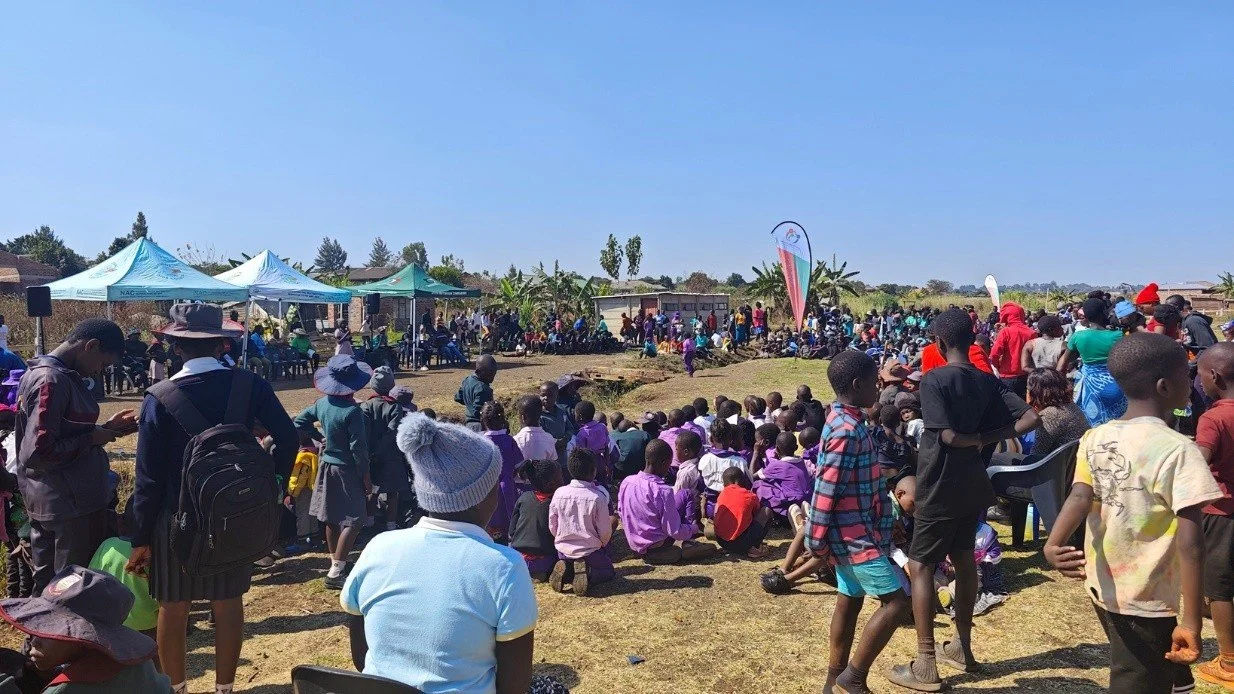
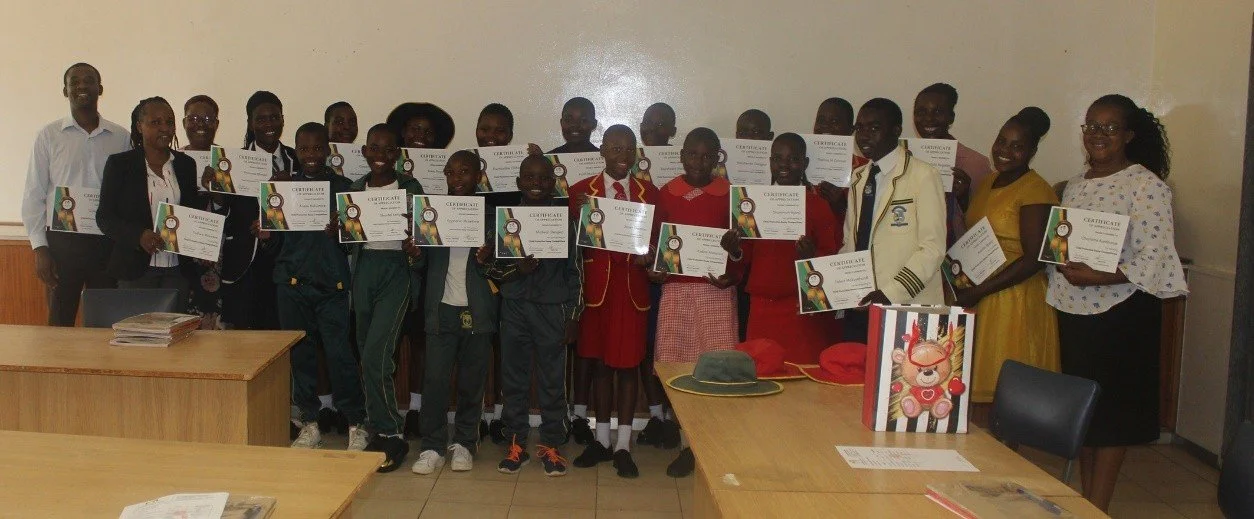
A particular aspect of VNZ’s work is its focus on empowering children themselves. Child Protection Committees are led by children, enabling them to become active participants in their own safety and wellbeing. As Widdlack explains, children are supported to “act as agents of change – ambassadors of the gospel of child protection and God’s heart for children.” Children are given identification cards with QR codes that verify their training and role. These cards are recognised by local authorities, including the police, helping to build trust and legitimacy. This approach not only enhances child safety but also fosters leadership, confidence, and accountability among young people.
This emphasis on child participation is based on research conducted by Viva Network Zimbabwe in 2018, which led them to agree that, going forward, child protection or other engagement meetings should always include child participation on the agenda. Widdlack recognises that there are laws and protocols to protect children, but implementation is difficult, as cultural norms which favour a patriarchal approach to family and society mean that, as Widdlack says, in some cases, “the one who is supposed to implement this law subconsciously does not agree with that law.” VNZ’s motto is now “anything for children without children is not for children”, noting that everything starts at the family level: “a parent who listens to their child at home is able to advocate for the same to happen at work, for the same to happen in the community, for the same to happen at church, for the same to happen in government.”
Mobilising Volunteers
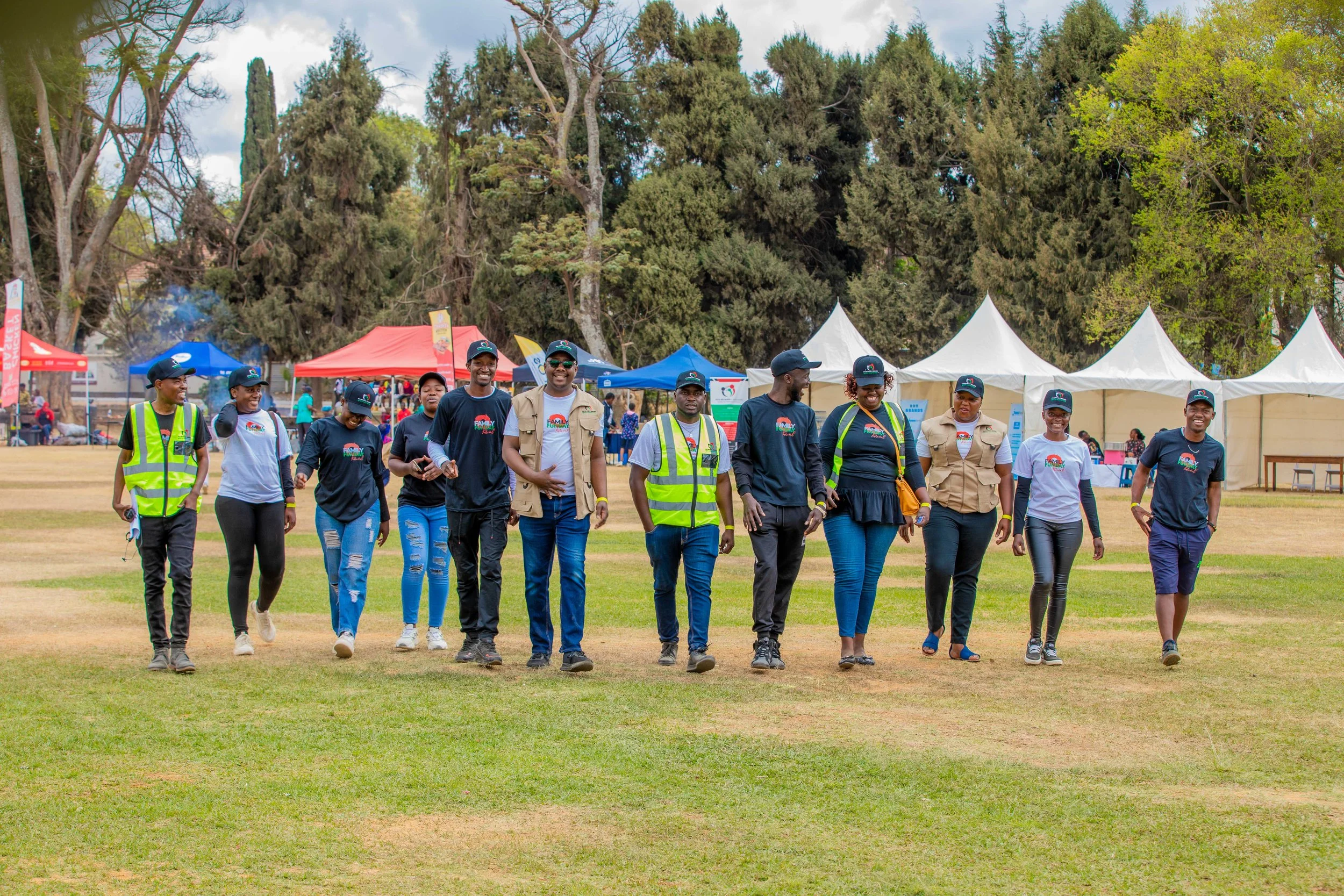
Another strength of VNZ is its extensive volunteer network. With over 500 local volunteers ranging in age from as young as seven, VNZ achieves large-scale reach. As Widdlack emphasises, they are “the real force behind the success we are having at VNZ. We are an office of just six people – but through our volunteers, we are reaching 1000s of children and families.”
Volunteers are carefully trained and deployed across VNZ’s partner churches and organisations. Their roles include raising awareness about child protection, identifying cases of vulnerability, following up on referrals, and supporting families in need, ensuring that volunteers are both effective and accountable. VNZ also engages international volunteers, who typically serve for periods of up to three months, as well as students participating in internships or exchange programmes. These opportunities not only strengthen the network’s capacity but also foster cross-cultural learning and global solidarity.
The stories emerging from this volunteer base highlight remarkable dedication. For example, one volunteer once travelled 370 kilometres to respond to a child protection case involving a forced early marriage. Another worked within a community resistant to medical care due to religious reasons, helping mothers understand the importance of nutrition and vaccinations and assisting them in accessing healthcare services.
Encouraging Excellence
VNZ is one of six networks in Africa that are also part of a two-year, funded project for Viva’s capacity-building Quality Improvement System (QIS), which provides training to churches and organisations across six modules. After the governance training, one church leader, Pastor Maushe, said, “Before the training, we were passionate about our mission, but we needed stronger systems to support our work. The QIS programme showed us exactly where to start. Having a Management Committee in place has been a game-changer. It means we no longer have gaps between our plans and what happens on the ground.” Another participant was grateful for the planning and design training, as she shares below.
An Even Louder Voice for Children
One of Viva Network Zimbabwe’s current plans is to use research to demonstrate the impact of some of its programmes, especially Viva’s Child-Friendly Church. As such, a longitudinal study of this programme is in the planning stage, potentially involving volunteers and students with skills in analysis and statistics. The idea is to validate the tried-and-tested materials and build a case for their inclusion in Zimbabwean law or as guidelines for churches. As one of Viva’s roles is to help networks measure impact, we are excited about this initiative and look forward to continuing the journey with VNZ as it creates sustainable, community-driven change – finding every way it can to preach the gospel of child protection.